
Prime Rib au Jus

A classic, richly flavored au jus made from pan drippings to serve warm with sliced prime rib — simple, savory, and ready in minutes.
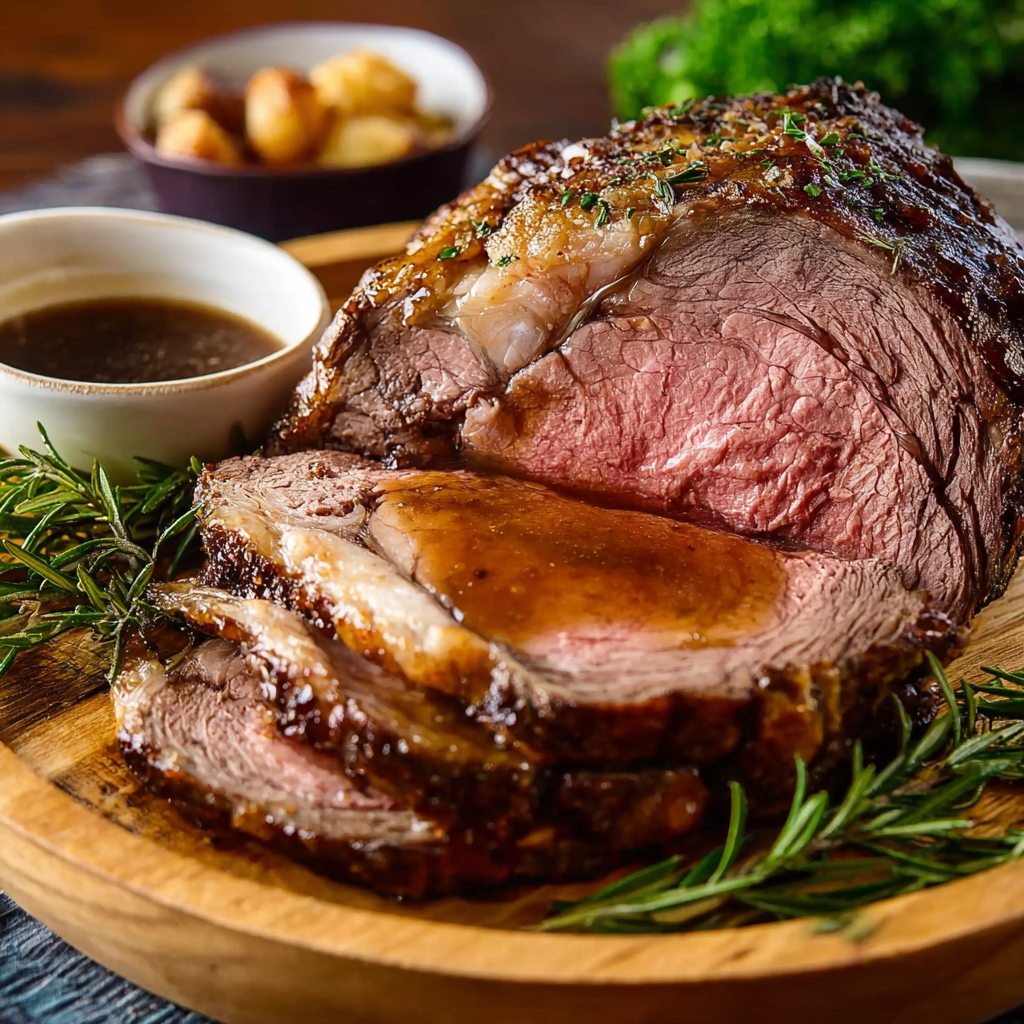
This au jus is the straightforward, deeply savory companion every roast beef lover needs. I first learned to make it decades ago after watching my grandfather carefully spoon the glossy juices from a roasting pan into a little sauceboat and pass it around the table. It tastes like the best parts of a roast concentrated: caramelized browned bits, a touch of beef stock, and a whisper of wine and herbs. It’s the kind of finishing touch that elevates an already great prime rib into something memorable — the juices soak into the slices, keeping each bite luscious and tender.
I discovered the exact approach in a busy holiday kitchen where there wasn’t time for fuss. The method is forgiving: save the pan drippings, deglaze the roasting pan to lift those intensely flavored fond pieces, add good beef stock, season, and gently reduce until the sauce sings. The result is a light, pourable jus rather than a thick gravy — perfect for dipping or spooning over meat without masking the natural flavor of the roast. It’s fast, makes use of what you already have, and brings family and friends closer to the plate.
Why You'll Love This Recipe
- Uses the natural pan drippings from the roast, turning by-products into an intensely flavored sauce with no waste.
- Ready in about 10–15 minutes after the roast is done — perfect for last-minute finishing while the meat rests.
- Flexible: make it with or without a splash of dry red wine, and swap Worcestershire for tamari or soy depending on dietary needs.
- Light and pourable (not thickened), so it enhances slices of prime rib without weighing them down or making them soggy.
- Great make-ahead option — refrigerate for up to 3 days or freeze for up to 3 months and reheat gently when needed.
- Uses pantry staples and basic tools: roasting pan, wooden spoon, fine mesh strainer — no special equipment required.
In my house, this au jus always sparks conversation. Guests will ask for the bowl to be passed around twice, and I often find a quiet moment later to scrape the bottom of the bowl with a spoon to savor the last bit. It’s one of those simple culinary touches that makes a roast feel celebratory without a lot of extra work.
Ingredients
- Pan drippings: Pan drippings from the roasted prime rib (about 1 to 1 1/2 cups). These provide the concentrated beef flavor — look for glossy, browned juices rather than excessive fat.
- Beef broth or stock: 2 cups of low-sodium beef broth or stock. A good-quality stock (such as Kitchen Basics or homemade) adds depth without overpowering the roast.
- Dry red wine (optional): 1/4 cup dry red wine such as Cabernet or Merlot. Adds acidity and complexity; omit for a non-alcoholic version and use extra broth.
- Worcestershire or soy sauce: 1 to 2 teaspoons Worcestershire sauce, or 1 teaspoon soy sauce/tamari for a gluten-free option — this rounds out the savory profile.
- Garlic (optional): 1 small clove, smashed — for a subtle aromatic lift; remove before serving if you prefer a cleaner jus.
- Fresh herbs (optional): 1 to 2 sprigs of fresh thyme or 1 bay leaf — added while simmering and then discarded to keep the sauce clear.
- Salt and black pepper: To taste — add sparingly at first, since the drippings and Worcestershire already carry seasoning.
Instructions
Collect the Drippings: After the prime rib finishes roasting, remove the roast to rest. Carefully pour the pan drippings through a heat-safe strainer or into a heat-safe container to separate solids. If there’s a large amount of fat, spoon off excess but retain a couple of tablespoons — that fat carries flavor and helps carry sauces. Expect roughly 1 to 1 1/2 cups of concentrated juices from a large roast. Deglaze the Pan: Place the roasting pan over medium heat on the stovetop (use two burners if it’s wide). Add about 1/4 cup dry red wine or 1/4 cup beef broth and bring to a simmer. Use a wooden spoon to scrape up the brown bits (fond) stuck to the pan — these are flavor gold. Scrape for 1 to 2 minutes until the liquid loosens the browned bits, then pour the mixture into a small saucepan. Add Broth & Seasonings: To the saucepan with deglazed fond, pour in 2 cups beef broth plus the collected pan drippings. Add 1 to 2 teaspoons Worcestershire sauce, the smashed garlic clove, and 1–2 sprigs thyme or a bay leaf. Stir to combine and bring to a gentle simmer. Taste early — the drippings will be salty, so season with caution. Simmer: Let the mixture simmer gently for 5 to 10 minutes. You want the liquid to reduce slightly and concentrate in flavor but not become syrupy. Keep the heat medium-low to prevent any burning and stir occasionally. If you prefer a glossier finish, skim any lingering fat from the surface with a spoon before removing from heat. Strain & Adjust: Remove the garlic and herb stems, then strain the jus through a fine mesh strainer into a serving bowl or gravy boat. Taste and adjust with salt and freshly ground black pepper. If the flavor is too sharp, add a tablespoon of water or extra broth; if it needs brightness, a splash (about 1 teaspoon) of red wine vinegar will lift it. Serve: Keep warm until ready to serve. Spoon the au jus over slices of prime rib or place it in a small bowl for dipping. Reheat gently over low heat if needed, and stir before serving so any settled juices reincorporate.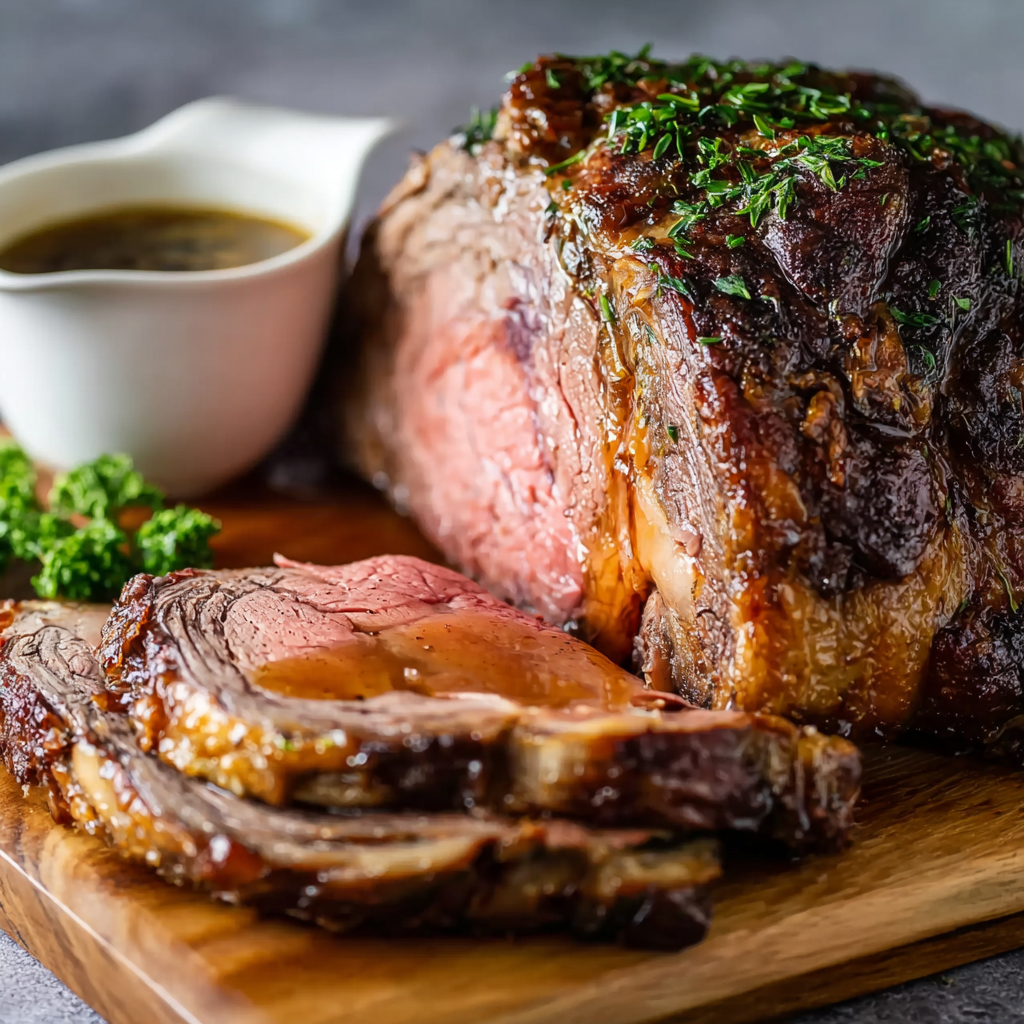
You Must Know
- This sauce is low in calories and fat when most fat is skimmed; it’s primarily flavorful liquid and makes an elegant, light accompaniment.
- Store in an airtight container in the refrigerator for up to 3 days, or freeze in small portions for up to 3 months.
- Reheat gently over low heat — rapid boiling will make the sauce taste flat and can separate any remaining fat.
- If using soy sauce, be mindful of gluten; tamari is a good gluten-free substitute and preserves the savory umami notes.
- Because pan drippings vary by roast and seasoning, always taste before adding extra salt.
My favorite part is the moment the jus is poured over the meat at the table and the room fills with that beefy aroma. Friends often tell me it’s the best part of the meal because it enhances every slice without masking the prime rib’s texture. It’s a small habit that yields big rewards.
Storage Tips
Once cooled, transfer the jus to an airtight container. In the refrigerator it will keep for 3 days. For longer storage, portion into ice cube trays or small freezer-safe containers and freeze for up to 3 months — thaw in the refrigerator overnight and reheat gently. When refrigerating, any fat will solidify on top and can be skimmed off before reheating for a cleaner sauce. Use glass jars or BPA-free plastic containers with tight lids to preserve flavor and prevent odor transfer.
Ingredient Substitutions
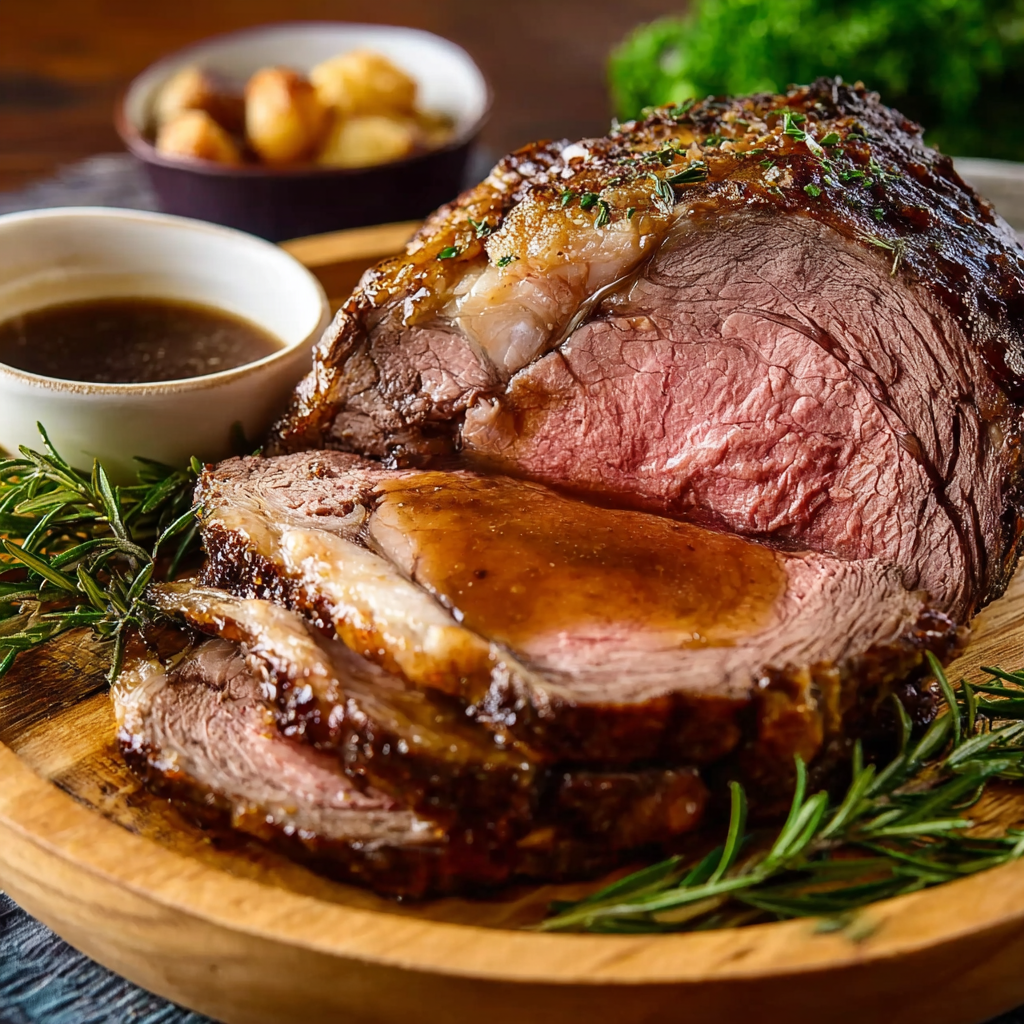
If you’re avoiding alcohol, replace the red wine with an equal amount of beef broth plus 1 teaspoon red wine vinegar for acidity. For gluten-free diets, choose tamari instead of soy sauce and verify the Worcestershire is gluten-free or omit it. Vegetarians can mimic the method using pan-roasted mushrooms and vegetable stock for a mushroom au jus — the technique remains the same but expect an earthier flavor. If your drippings are scarce, boost savory depth with 1 tablespoon of concentrated beef base dissolved in stock.
Serving Suggestions
Pour warm jus over thick slices of prime rib or place it in a small bowl for diner-style dipping. It also pairs beautifully with mashed potatoes, roasted root vegetables, Yorkshire puddings, or buttered egg noodles. Garnish plates with a sprig of thyme for color. For a composed plate, spoon a thin ribbon of jus beside the meat rather than over the entire slice to keep presentation clean while still adding moisture and flavor.
Cultural Background
The practice of serving meat with its own juices dates back to traditional European roasts where pan liquids were precious flavor carriers. The term "au jus" is French, meaning "with juice," and became especially popular in Anglo-American roast beef traditions. In classic service, au jus complements the natural juices of roasted meat without thickening agents, distinguishing it from full-bodied gravies common in other cuisines.
Seasonal Adaptations
In winter, enhance the jus with a splash of full-bodied red wine and a bay leaf; during summer, keep it simple with just broth and fresh thyme for a lighter finish. Around the holidays, add a teaspoon of orange zest or a pinch of ground allspice for festive warmth. For smoky notes in barbecue season, stir in 1/2 teaspoon of tomato paste and a few drops of liquid smoke — use sparingly to avoid overpowering the beef.
Meal Prep Tips
Make the jus immediately after the roast while the pan is warm, then cool and store in small containers for future use. Freeze in 1/4-cup portions so you can thaw exactly what you need for sandwiches or reheated slices of roast. When reheating from frozen, thaw overnight in the refrigerator and warm on low, whisking to reincorporate any separated elements.
Serve this au jus with pride — it’s a small, efficient technique that offers a big flavor payoff and makes the meat feel even more special. Enjoy the ritual of passing the sauce at the table and the simple pleasures it brings to the meal.
Pro Tips
Skim excess fat but reserve a tablespoon for flavor — it helps carry the sauce.
Deglaze the hot roasting pan on the stovetop to lift the fond for deeper flavor.
Taste before salting; the drippings and Worcestershire can be quite salty already.
Simmer gently — boiling can flatten the flavor and make the sauce oily.
Strain through a fine mesh for a clear, attractive jus.
This nourishing prime rib au jus recipe is sure to be a staple in your kitchen. Enjoy every moist, high protein slice — it is perfect for breakfast or as a wholesome snack any time.
FAQs about Recipes
How long can au jus be stored?
Yes — refrigerate in an airtight container for up to 3 days, or freeze for up to 3 months in small portions.
How can I make this gluten-free or alcohol-free?
Use tamari or gluten-free Worcestershire; omit wine or replace with broth plus a splash of vinegar.
Tags
Prime Rib au Jus
This Prime Rib au Jus recipe makes perfectly juicy, tender, and flavorful steak every time! Serve with potatoes and a side salad for an unforgettable dinner in under 30 minutes.
Ingredients
Au Jus
Instructions
Collect the Drippings
After roasting, pour the pan drippings into a heat-safe container and skim excess fat, retaining flavorful juices (about 1 to 1 1/2 cups).
Deglaze the Pan
Place the roasting pan on the stovetop, add 1/4 cup wine or broth, and scrape up browned bits with a wooden spoon; pour into a saucepan.
Add Broth and Seasonings
Combine deglazed pan liquid, 2 cups beef broth, drippings, 1–2 teaspoons Worcestershire, smashed garlic, and herbs in the saucepan; bring to a simmer.
Simmer
Simmer gently for 5–10 minutes to concentrate flavor; avoid boiling to prevent flavor flattening and separation.
Strain and Adjust
Remove solids, strain through a fine mesh strainer, then season with salt and black pepper and adjust acidity if necessary.
Serve
Keep warm and serve alongside sliced prime rib for dipping or spooning over meat; reheat gently if needed.
Last Step: Please leave a rating and comment letting us know how you liked this recipe! This helps our business to thrive and continue providing free, high-quality recipes for you.
Nutrition
Did You Make This?
Leave a comment & rating below or tag
@snapyrecipe on social media!
Categories:
You might also like...
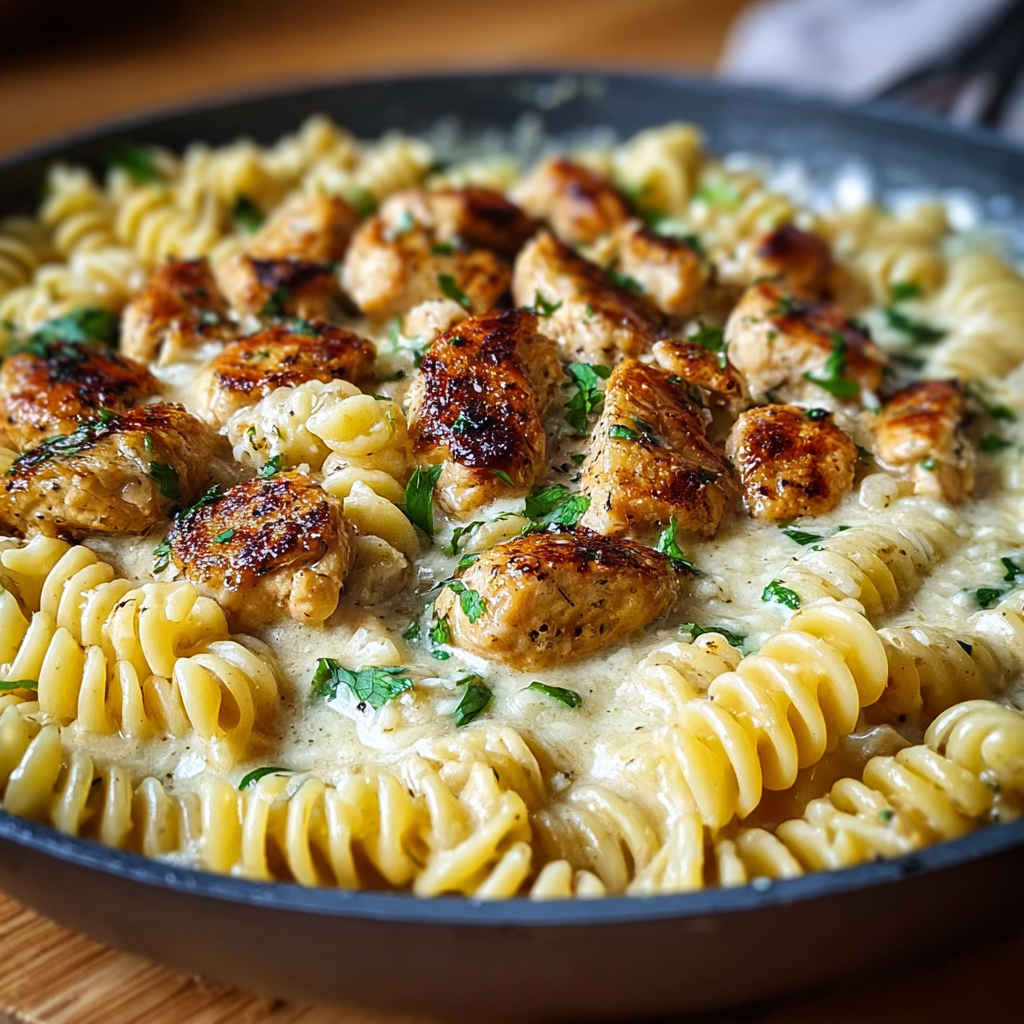
Creamy Garlic Butter Chicken & Rotini in Parmesan Sauce
Golden-browned chicken tossed with rotini in a silky garlic Parmesan sauce—comforting, quick, and perfect for weeknight dinners.
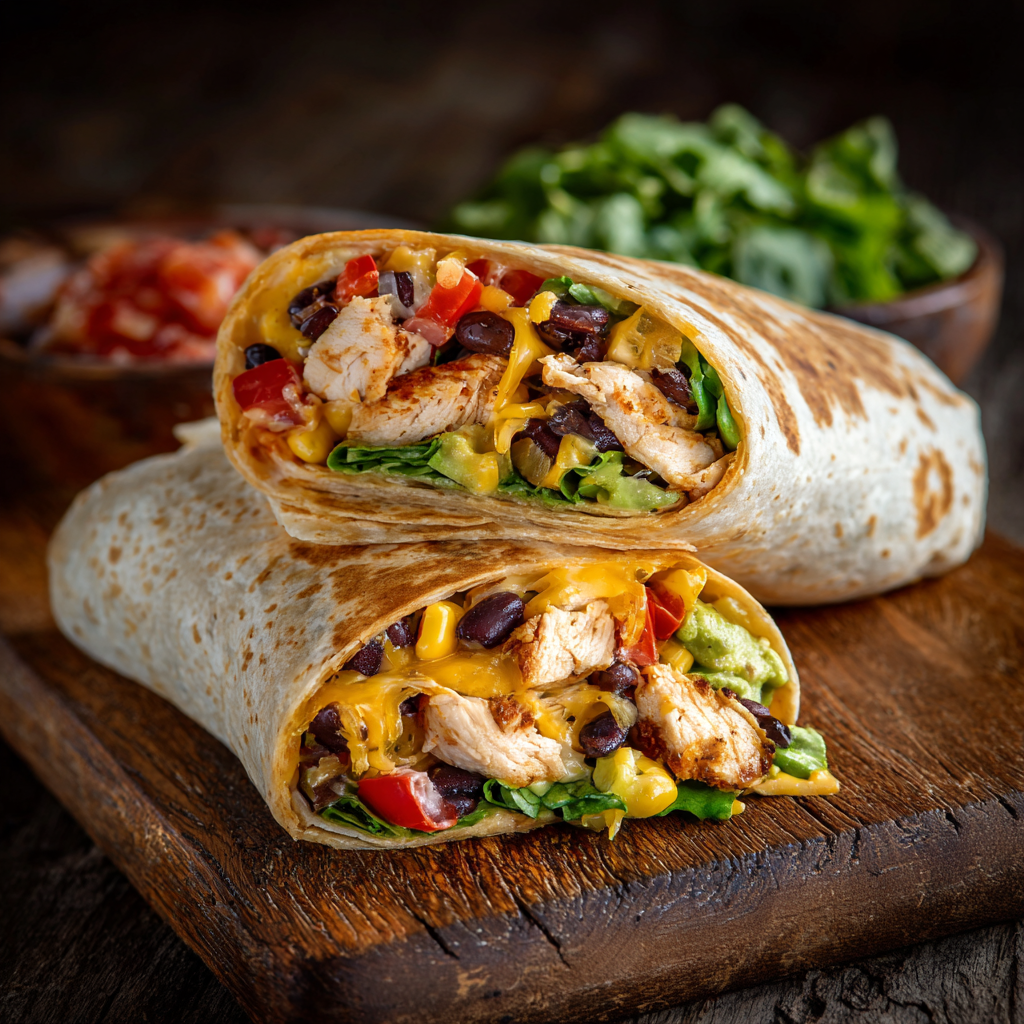
Southwest Chicken Wrap
A vibrant, smoky Southwest chicken wrap loaded with rice, beans, corn, and a creamy chipotle-lime sauce — perfect for lunch, meal prep, or an easy weeknight.

Classic Apple Crumble
A timeless apple crumble with a buttery, cinnamon-scented topping and tart-sweet Granny Smith filling — perfect warm with vanilla ice cream.
Did You Make This?
Leave a comment & rating below or tag @snapyrecipe on social media!
Rate This Recipe
Share This Recipe
Enjoyed this recipe? Share it with friends and family, and don't forget to leave a review!
Comments (1)
This recipe looks amazing! Can't wait to try it.
Comments are stored locally in your browser. Server comments are displayed alongside your local comments.
Hi, I'm Natalia!
What's Popular

Get My 30-Minute Meals email series!
Quick and easy dinner ideas delivered to your inbox.